
What Is Cupping Therapy?
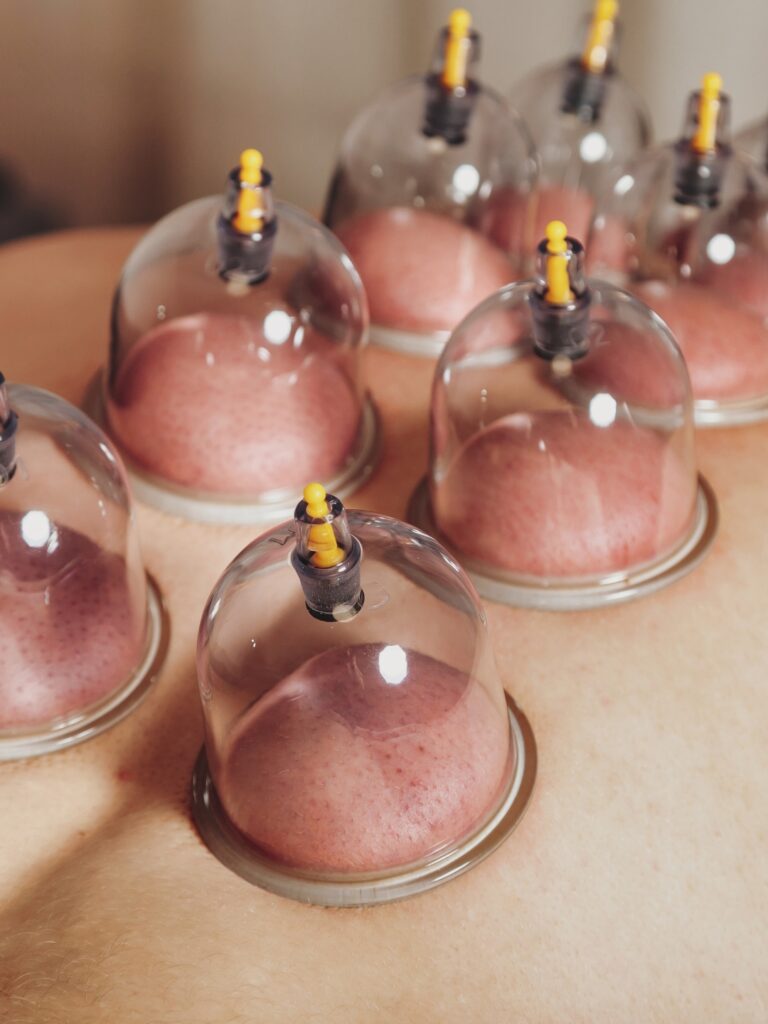
Cupping therapy is a time-tested technique that uses specialized cups to create gentle suction on the skin. This suction lifts and decompresses soft tissue, helping to:
- Increase local blood flow
- Release tight or restricted muscles
- Reduce pain and stiffness
- Support the body’s natural healing response
Unlike treatments that only press into tight areas, cupping works by creating space in the tissue. This can be especially helpful for stubborn tension that hasn’t responded well to other approaches.
Meet Your Cupping Clinician
Kajal Dhillon

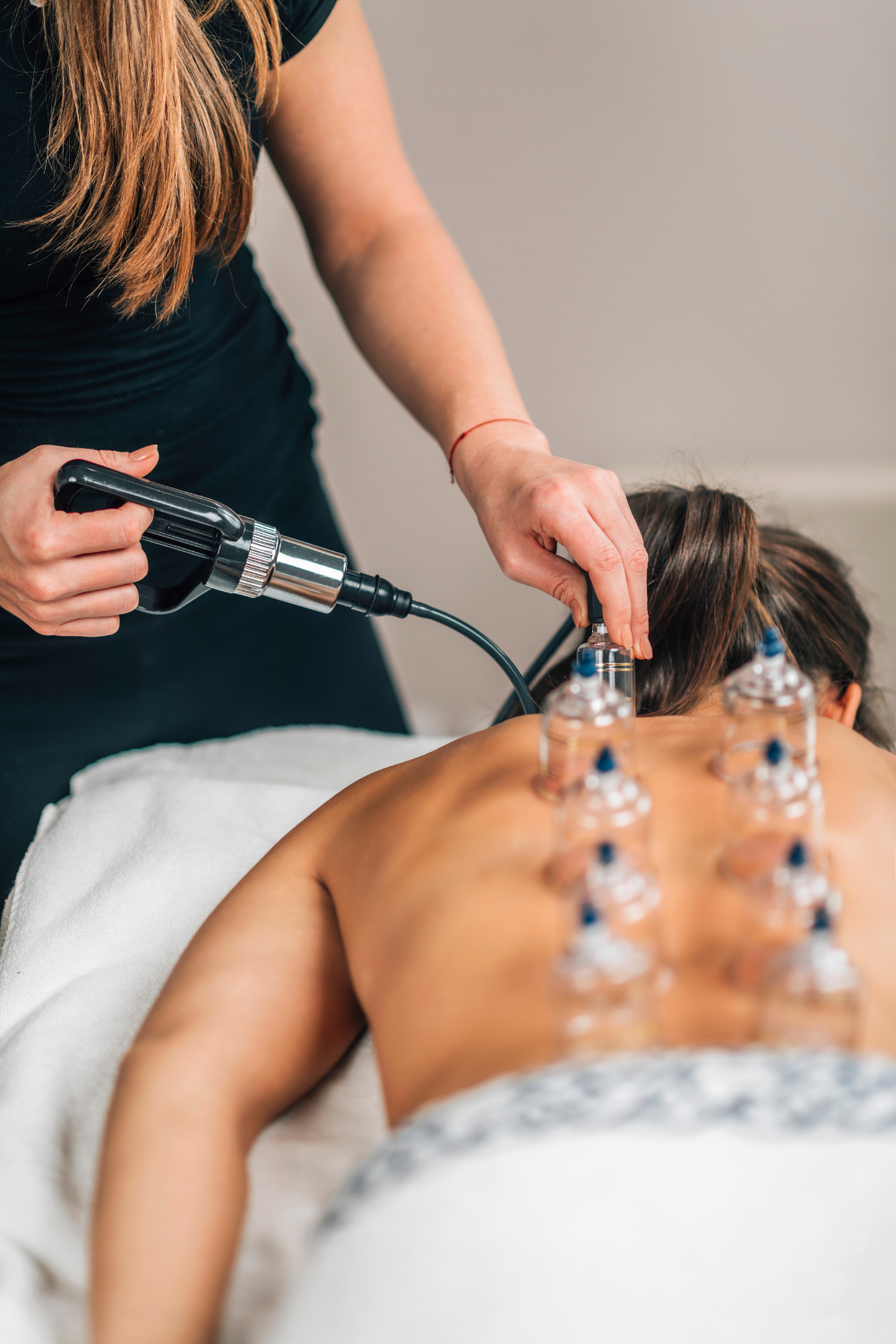
How Cupping Therapy Helps You Feel Better
Cupping therapy is often used to address:
- Muscle tension and tightness
- Neck, shoulder, and back pain
- Reduced mobility or stiffness
- Chronic pain patterns
- Postural strain and overuse injuries
- Recovery support for active individuals
By improving circulation and reducing tissue restriction, cupping helps your body move more freely and recover more efficiently. Many people notice a sense of lightness, improved range of motion, and reduced discomfort following treatment.
A Personalized Approach to Cupping at Coquitlam Wellness Center
Your body is unique—and your cupping session should be too. At Coquitlam Wellness Center, cupping therapy is never a one-size-fits-all experience.
Your session is tailored based on:
- Your symptoms and goals
- Areas of restriction or discomfort
- How your body responds during treatment
Cupping may be used on its own or combined with other therapies, such as acupuncture or physiotherapy, to create a more comprehensive and effective treatment plan.











What to Expect During Your Cupping Session
Your cupping session at our Coquitlam clinic is designed to feel supportive and intentional.
Here’s what you can expect:
- A brief assessment and discussion of your concerns
- Targeted cup placement based on your needs
- Gentle to moderate suction, adjusted for comfort
- A relaxing treatment environment focused on recovery
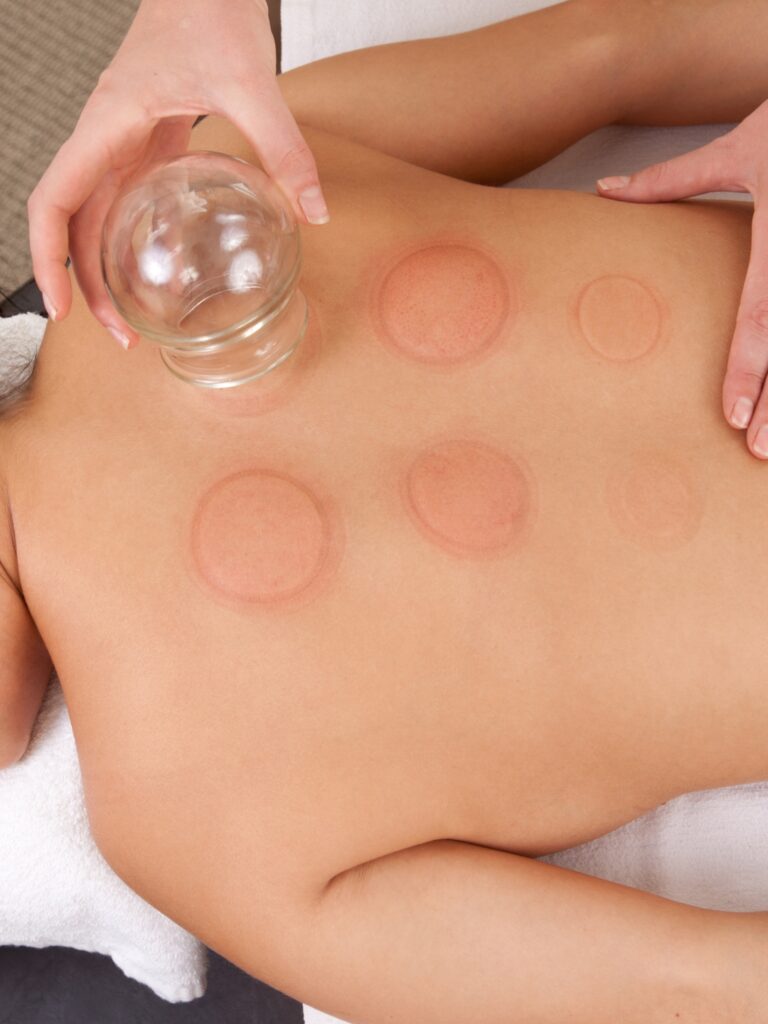
Temporary circular marks may appear after treatment—this is a normal response and typically fades within a few days.
Why Choose Coquitlam Wellness Centre?
Experienced Team
Our team comprises registered therapists who bring a wealth of knowledge and experience to each session
Personalized Care
We understand that each client is unique. That’s why we tailor our treatments to suit your specific needs and health objectives.
Unique Location
Our clinic is easily accessible and offers flexible hours to accommodate your busy schedule.
PROVEN PROCESS: HOW WE GET RESULTS
Since 2011, our evidence-based care process has positively impacted over 7000 Tri-cities patients. Your clinician ensures your initial assessment concludes with a personalized care plan spanning three key phases:
PHASE 1: Initial pain relief
This phase focuses on setting patient-centric goals and conducting a comprehensive functional assessment.
PHASE 2: Lasting pain reduction
This phase involves progressive rehabilitation with increasing intensity and complexity over time.
PHASE 3: Transition to wellness
The final phase centres on injury prevention and maintenance care.
Cupping Frequently Asked Questions
Don’t see the answer you’re looking for?
Find us
Tuesday
Wednesday
Thursday
Friday
Saturday
Sunday
7:00am – 8:00pm
7:00am – 8:00pm
7:00am – 8:00pm
7:00am – 8:00pm
7:00am – 8:00pm
7:00am – 8:00pm