
How to Reduce Pain and Restore Motion After a Rib Fracture
Rib fractures are often dismissed as injuries that simply need time to heal. You might have been told to rest, take pain medication, and wait it out. While ribs do heal on their own, this approach overlooks an important factor: how you breathe and move during recovery directly impacts your pain levels, healing timeline, and long-term function.
Without proper guidance, rib fractures can lead to shallow breathing patterns, chest stiffness, decreased lung capacity, and prolonged pain that interferes with daily activities for weeks or even months. Rib fracture rehabilitation addresses these issues through structured breathing retraining, mobility progressions, and movement strategies that support healing rather than delay it.
At CWC Sport Therapy, the focus is on helping you reclaim an active life without unnecessary wait times or being brushed off with generic advice.
Why Rib Fractures Need Specialized Care
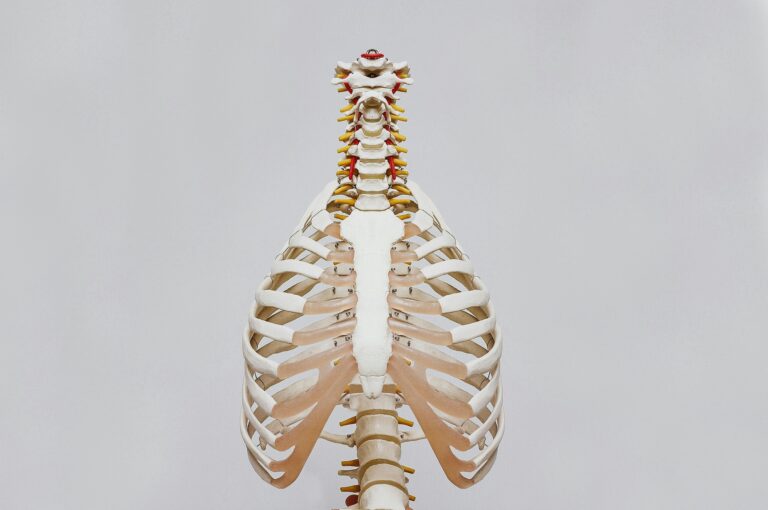
Ribs play a dual role: they protect vital organs and facilitate breathing. When fractured, every breath, cough, sneeze, or torso movement can trigger sharp pain. This creates a protective response where people unconsciously limit their breathing depth and avoid certain movements.
While this seems logical in the short term, it creates problems over time. Shallow breathing reduces oxygen intake, increases fatigue, and raises the risk of respiratory complications. Limited movement leads to chest wall stiffness, muscle guarding, and compensatory movement patterns that persist long after the fracture heals.
The Role of Rehabilitation
Early, targeted rehabilitation interventions for rib fractures significantly reduce pain and improve respiratory function compared to standard care alone. Structured rehabilitation helps you maintain adequate breathing mechanics, prevent secondary complications, and return to normal activities more efficiently.
Rib fracture rehabilitation isn’t about pushing through pain or accelerating bone healing. It’s about managing symptoms intelligently while maintaining the movement and breathing capacity your body needs to function properly.
Breathing Retraining Fundamentals
Breathing retraining forms the foundation of rib fracture recovery. Pain causes people to take quick, shallow breaths using only the upper chest. This pattern reduces lung expansion, decreases oxygen delivery, and increases the work of breathing.
Diaphragmatic Breathing Basics
Proper breathing after a rib fracture involves retraining the diaphragm—the primary breathing muscle located below the ribs. Diaphragmatic breathing encourages deeper, more efficient breaths that fully expand the lungs without excessive rib cage movement.
Key elements include:
- Breathing slowly through the nose, allowing the abdomen to expand
- Exhaling gently through pursed lips
- Maintaining relaxed shoulders and upper chest
- Gradually increasing breath depth as pain tolerance improves
This technique reduces the mechanical stress on fractured ribs while maintaining lung capacity and preventing chest stiffness.
Managing Pain During Breathing Exercises
Pain doesn’t mean damage. Some discomfort during breathing exercises is expected and manageable. Techniques to reduce pain include:
- Bracing the injured area with a pillow during coughing or deep breathing
- Timing pain medication to coincide with exercise sessions
- Using gentle manual support over the fracture site
- Practicing in positions that minimize rib movement (semi-reclined, side-lying)
Understanding the difference between productive discomfort and harmful pain helps you progress safely without unnecessary fear.
Mobility Progressions: Early to Advanced
Rib fracture rehabilitation follows a progressive approach that respects tissue healing while preventing stiffness and deconditioning. Movement should be guided by symptoms rather than arbitrary timelines.
Early Phase: Protection and Gentle Movement
During the first 1-2 weeks, the primary goal is pain management while maintaining basic mobility. Complete immobility isn’t recommended, as it accelerates muscle loss and stiffness.
Early interventions include:
- Gentle torso rotations within pain-free ranges
- Supported breathing exercises
- Light walking to maintain overall conditioning
- Postural awareness to prevent compensatory patterns
These activities keep your body moving without placing excessive stress on healing bone tissue.
Middle Phase: Expanding Range of Motion
As acute pain subsides (typically weeks 2-4), the focus shifts to restoring normal chest wall mobility and spinal movement. Stiffness in the thoracic spine and ribcage is common after fracture, even once the bone has healed.
Progressive mobility work includes:
- Thoracic spine rotations and extension exercises
- Seated or standing side bends
- Arm elevation movements to encourage rib mobility
- Controlled breathing combined with movement
Each movement should be performed slowly and deliberately, allowing tissues to adapt without triggering protective guarding.
Advanced Phase: Returning to Full Function
Once basic mobility is restored and pain has significantly decreased (typically weeks 4-8), rehabilitation progresses toward functional activities and higher-demand movements.
Advanced progressions incorporate:
- Resistance exercises for the trunk and upper body
- Sport-specific or occupation-specific movement patterns
- Impact activities and aerobic conditioning
- Core strengthening that challenges the rib cage
This phase prepares you to return to work, sports, and daily activities with confidence and without fear of re-injury.
Safe Movement Tips for Daily Activities
Daily activities present unique challenges during rib fracture recovery. Simple tasks like getting out of bed, lifting objects, or putting on a shirt can trigger pain if done incorrectly.
Getting In and Out of Bed
Rolling directly onto your side or sitting straight up both create significant rib movement. A safer approach involves:
- Rolling onto your side using your arms for support
- Pushing up to sitting using your hands rather than abdominal muscles
- Lowering yourself down in the reverse sequence
This technique minimizes torso twisting and reduces strain on fractured ribs.
Lifting and Carrying Objects
Lifting requires core activation that compresses the rib cage. During early recovery, avoid lifting anything heavy. When you must lift:
- Keep objects close to your body
- Use your legs rather than your back
- Avoid twisting while holding weight
- Break tasks into smaller loads
These strategies reduce the mechanical load on healing ribs while allowing you to maintain some level of independence.
Managing Coughing and Sneezing
Coughing and sneezing create sudden, forceful rib expansion that can be extremely painful. While you can’t prevent these reflexes entirely, you can minimize their impact:
- Brace the injured area with a pillow or your hands
- Try to cough in a controlled manner rather than explosive bursts
- Stay well-hydrated to reduce coughing frequency
- Consider using a prescribed cough suppressant if appropriate
These techniques don’t eliminate pain entirely but make these unavoidable actions more manageable.
When to Progress Versus When to Rest
Knowing when to push forward versus when to back off is crucial for optimal recovery. The healthcare system often provides little guidance beyond “rest and wait,” leaving patients uncertain about what’s safe.
Signs You’re Ready to Progress
You can safely advance your rehabilitation when:
- Pain decreases with specific movements rather than increases
- You can perform current exercises with minimal discomfort
- Breathing feels less restricted and more natural
- Daily activities become easier to perform
Progress should be gradual. Increase either intensity or duration of activities, but not both simultaneously.
Signs You Need to Modify or Rest
You should scale back your activities if:
- Pain increases significantly during or after exercise
- Breathing becomes more difficult or labored
- You experience sharp, stabbing pain with specific movements
- Swelling or bruising increases
Temporary increases in pain don’t always indicate damage, but persistent or worsening symptoms warrant reassessment and modification of your rehabilitation approach.
Recovery Is Active, Not Passive
Rib fractures heal through time, but the best recovery requires active participation. The difference between a prolonged, complicated recovery and an efficient return to normal life often comes down to how well breathing and movement are managed during the healing process.
At CWC Sport Therapy, rib fracture rehabilitation is tailored to your specific injury, activity goals, and tolerance levels. The approach recognizes that cookie-cutter protocols don’t work for everyone and that you deserve individualized attention rather than being told to simply wait it out.
Whether your rib fracture resulted from sports, a fall, or another incident, engaging with structured rehabilitation early helps you breathe easier, move better, and return to an active life without the frustration of unnecessary delays or dismissive advice.