Rib Dysfunction: Why It Hurts to Breathe and How Physiotherapy Helps
Taking a deep breath should feel effortless, but rib pain can make even simple movements uncomfortable. When breathing, sneezing, or rolling in bed starts to cause sharp discomfort, it often points to rib dysfunction. Persistent musculoskeletal pain is very common, and rib joint irritation is a condition physiotherapists treat frequently.
At Coquitlam Wellness Centre in Coquitlam, rib pain physiotherapy focuses on restoring comfortable breathing and normal movement so daily life feels easier again.
Important Note: While rib pain is often musculoskeletal, chest pain can also indicate serious medical conditions. If your chest pain is accompanied by shortness of breath, dizziness, cold sweats, or pain radiating to the jaw or left arm, please seek emergency medical attention immediately.
What Is Rib Dysfunction?
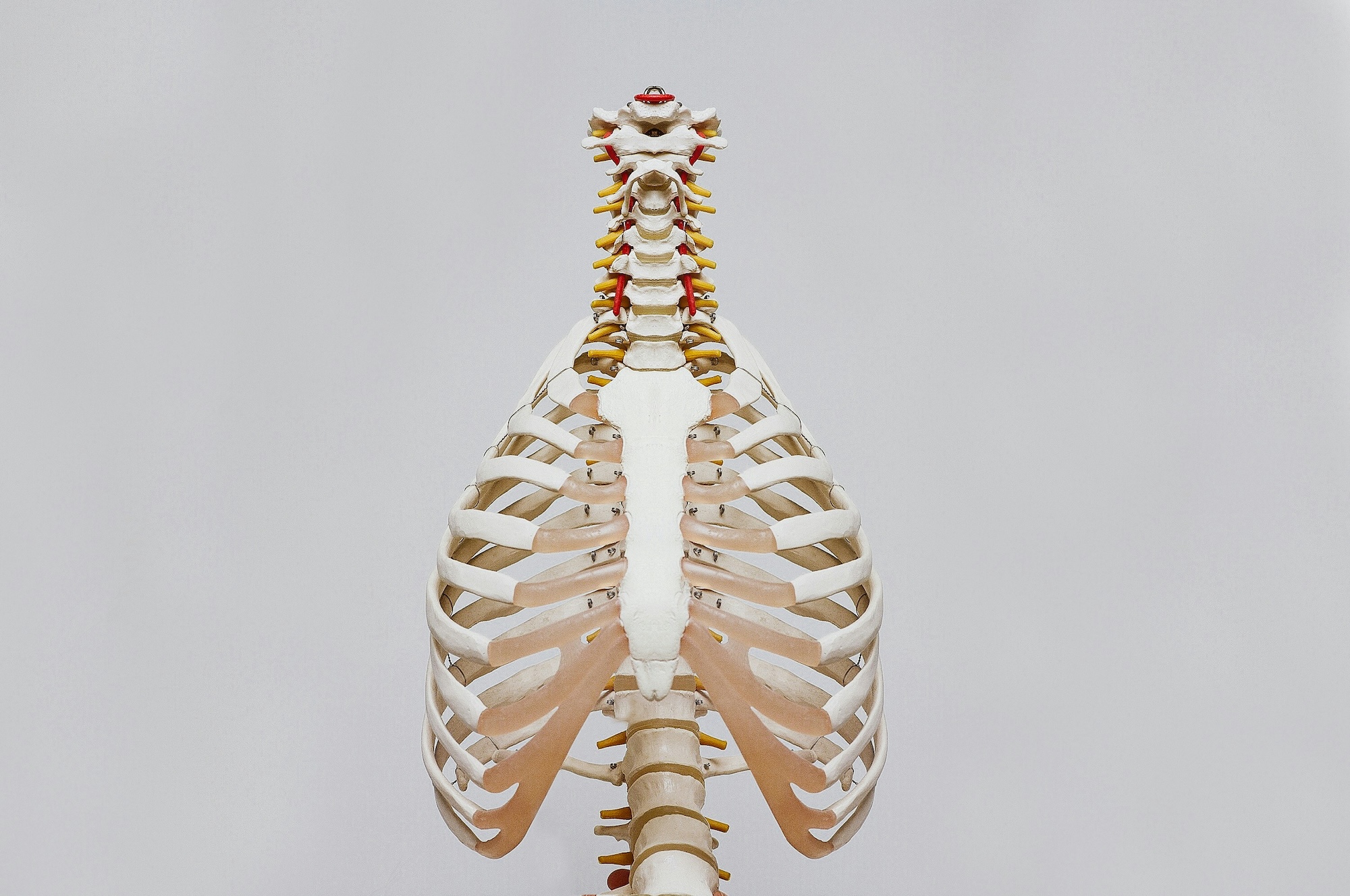
Rib dysfunction occurs when the small joints connecting the ribs to the spine or breastbone stop moving properly. These joints are designed to move every time you breathe, twist, reach, cough, or laugh. When movement becomes restricted or irritated, discomfort can develop quickly and may feel surprisingly intense.
Because the ribs move thousands of times every day, even a small restriction can become very noticeable. This often leads to secondary strain in the intercostal muscles, the small layers of muscle situated between your ribs. When these muscles tighten in response to joint irritation, it can create a localized “wrapping” sensation of pain around the chest or back.
Why Rib Pain Feels Worse When You Breathe
Every breath expands and contracts the rib cage. When a rib joint is irritated, this constant motion repeatedly stresses the sensitive area. This is why rib pain often feels persistent and difficult to ignore.
This constant irritation can also trigger the sympathetic nervous system, often referred to as the fight or flight response. Because the body perceives restricted breathing as a threat, you may feel increased anxiety, a faster heart rate, or a general sense of being on edge. Physiotherapy helps break this cycle by calming the nervous system and restoring the body’s ability to take a full, relaxed breath.
Rib Dysfunction vs Costochondritis
Rib dysfunction and costochondritis often feel similar but affect different areas of the rib cage:
- Rib Dysfunction: Usually involves joint restriction where the ribs meet the spine and is often felt along the back or side of the ribs, especially with twisting or deep breathing.
- Costochondritis: Involves irritation where the ribs meet the breastbone and is typically felt in the front of the chest, often with tenderness when pressing the area.
Both conditions respond very well to physiotherapy that restores mobility and reduces irritation.
How Rib Pain Physiotherapy Helps
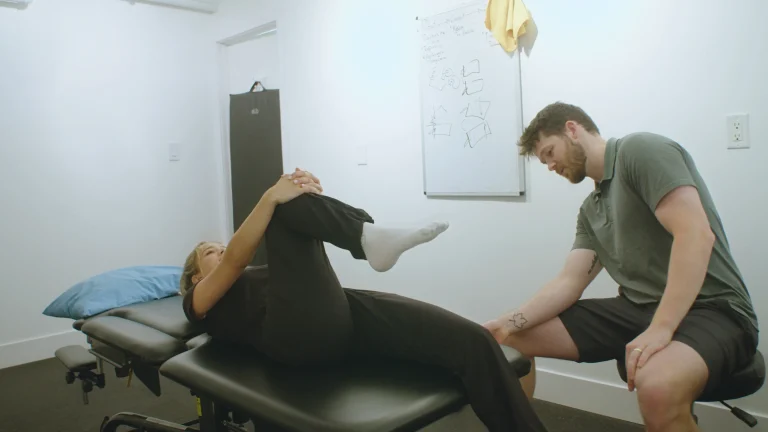
Rib dysfunction often improves quickly once normal movement returns. Physiotherapy focuses on restoring mobility, calming irritated tissues, and retraining healthy breathing patterns so the ribs can move freely again.
Treatment typically includes:
- Gentle rib joint mobilization to restore movement.
- Soft tissue treatment to release tight intercostal muscles and back muscles.
- Breathing retraining to encourage full rib expansion.
- Mobility exercises that maintain long term rib health.
Breathing retraining is especially important because many people begin shallow breathing when ribs hurt, which increases stiffness and tension. Learning diaphragmatic breathing helps transition the body out of a survival state and back into a restorative state.
Exercises Often Used in Rib Dysfunction Treatment
Gentle movement is one of the most effective ways to restore rib mobility. Deep rib breathing encourages expansion through the rib cage and reduces protective tension. Thoracic rotation exercises help improve mid back mobility, which directly supports rib movement. These simple exercises are small but powerful tools for improving comfort and preventing stiffness from returning.
How Long Does Rib Pain Take to Improve?
Recovery time varies depending on how long symptoms have been present and how irritated the joints are. Mild cases may improve within one to three physiotherapy visits, while moderate cases often improve within several weeks of guided treatment. Early treatment usually leads to faster recovery and reduces the risk of the problem becoming chronic.
Preventing Rib Pain From Returning
Once rib movement improves, prevention becomes the priority. Helpful prevention strategies include:
- Improving desk posture and workstation setup.
- Taking regular movement breaks during the day.
- Strengthening the upper back and improving thoracic mobility.
Breathe Easier With Help From Coquitlam Wellness Centre
Breathing should feel natural and comfortable. If rib pain is interfering with daily life, rib pain physiotherapy at Coquitlam Wellness Centre in Coquitlam can help restore movement, reduce discomfort, and improve overall function. Booking an assessment is the first step toward moving and breathing comfortably again.